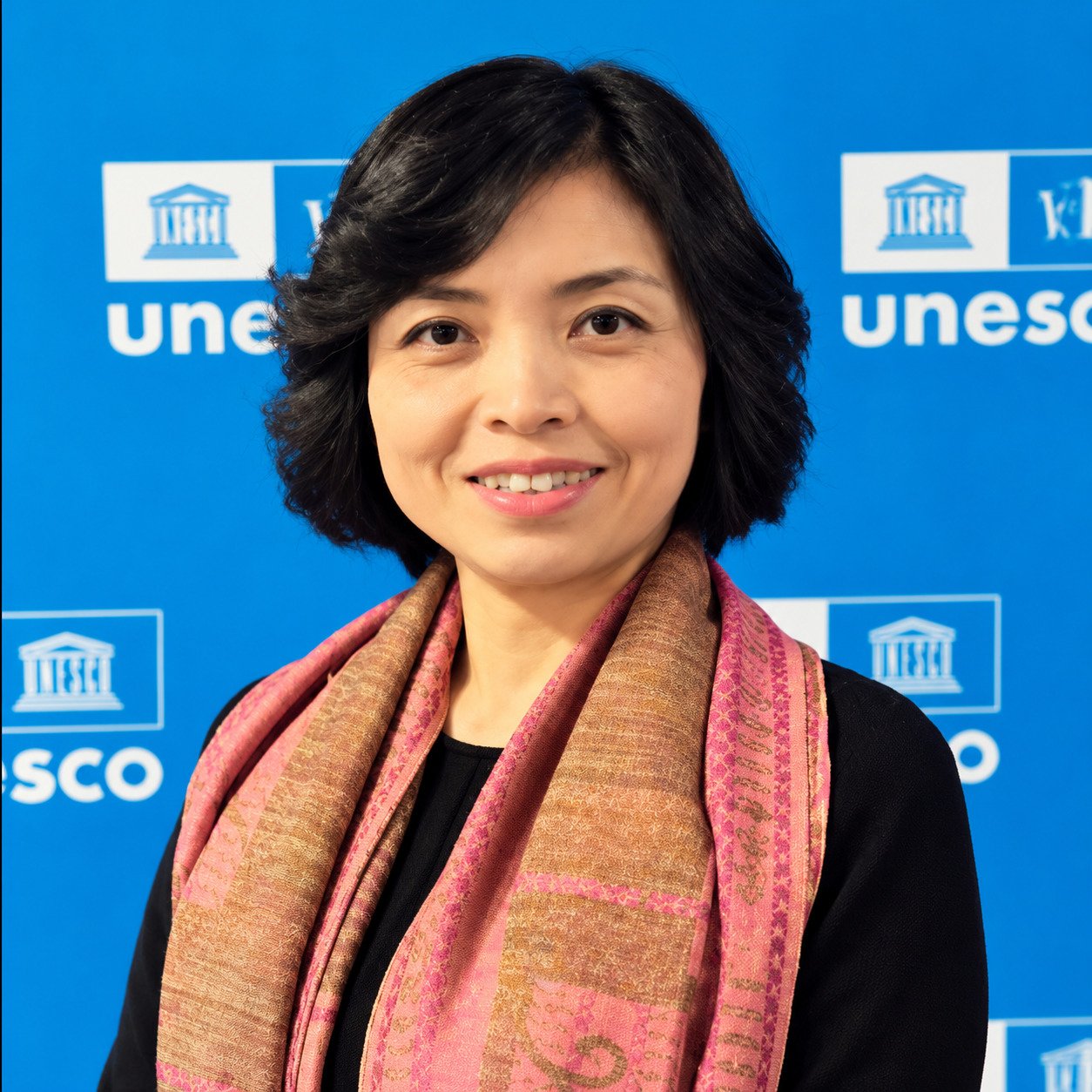
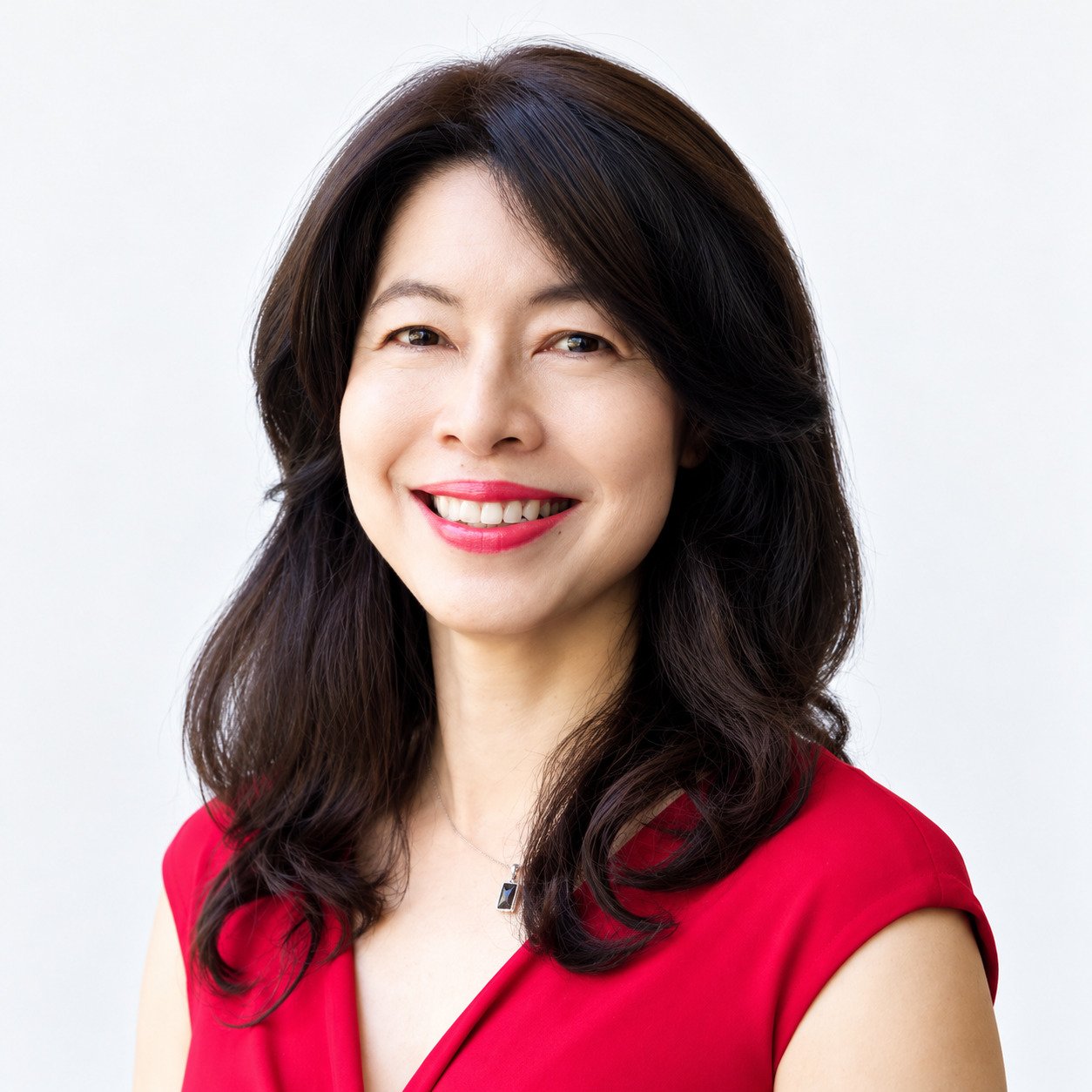
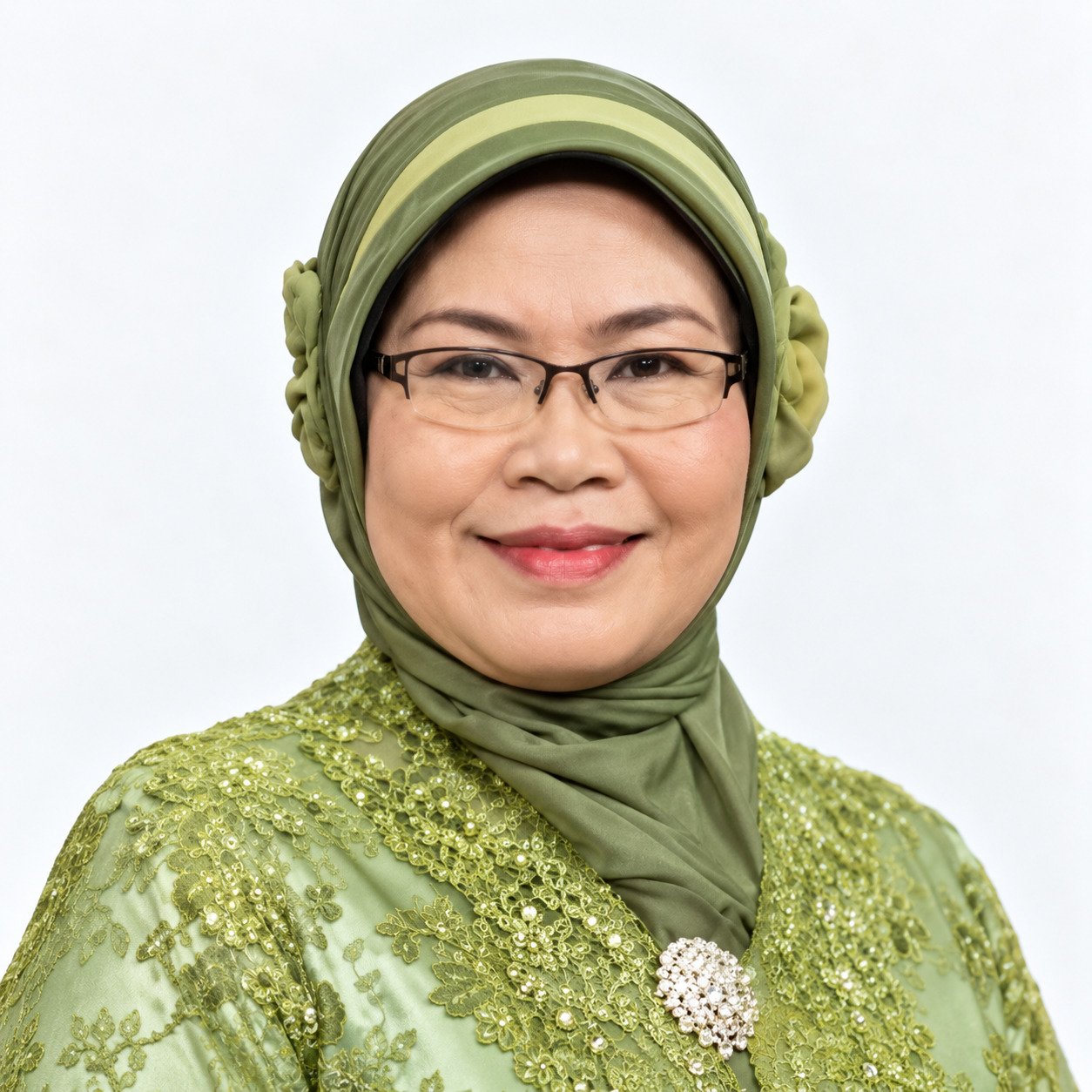
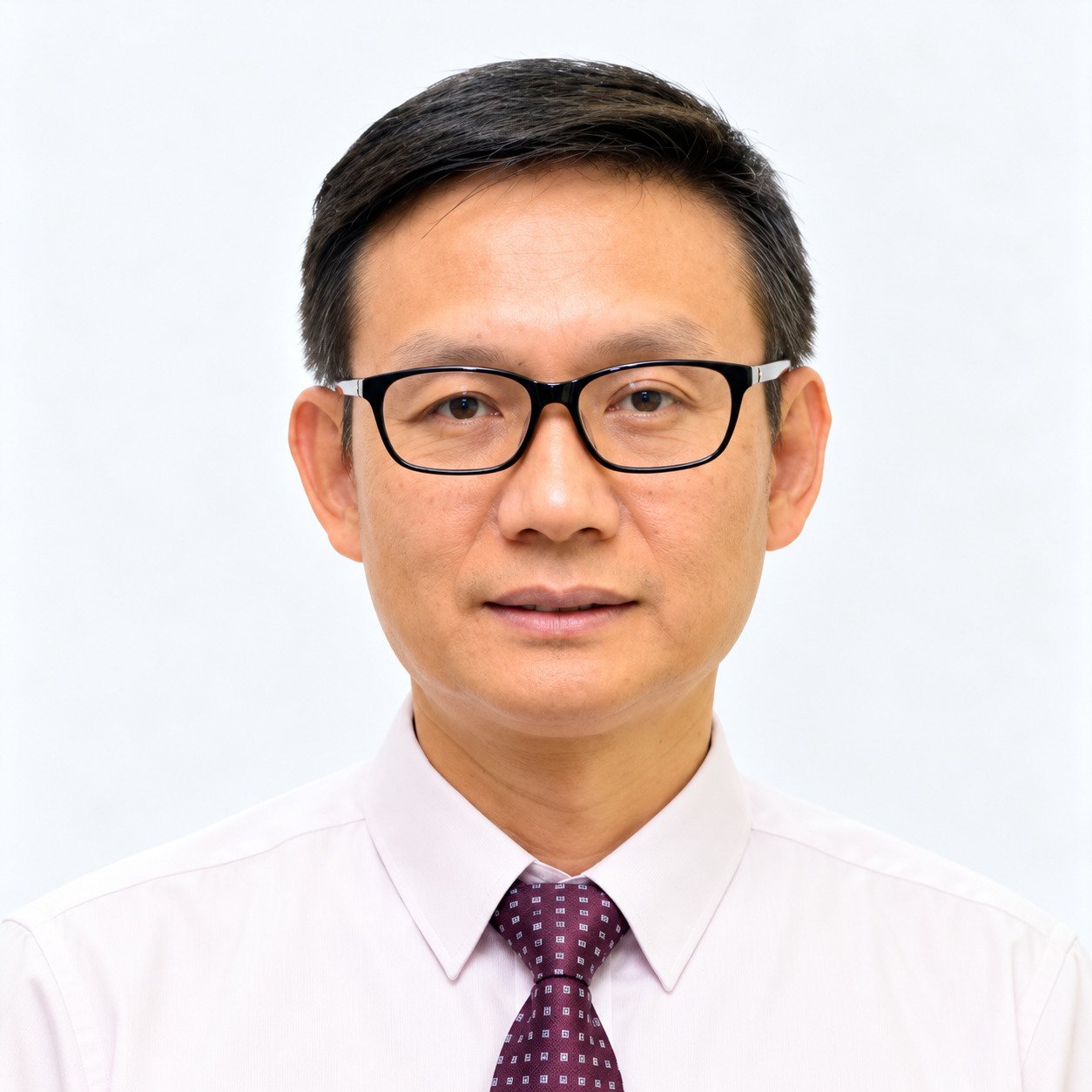
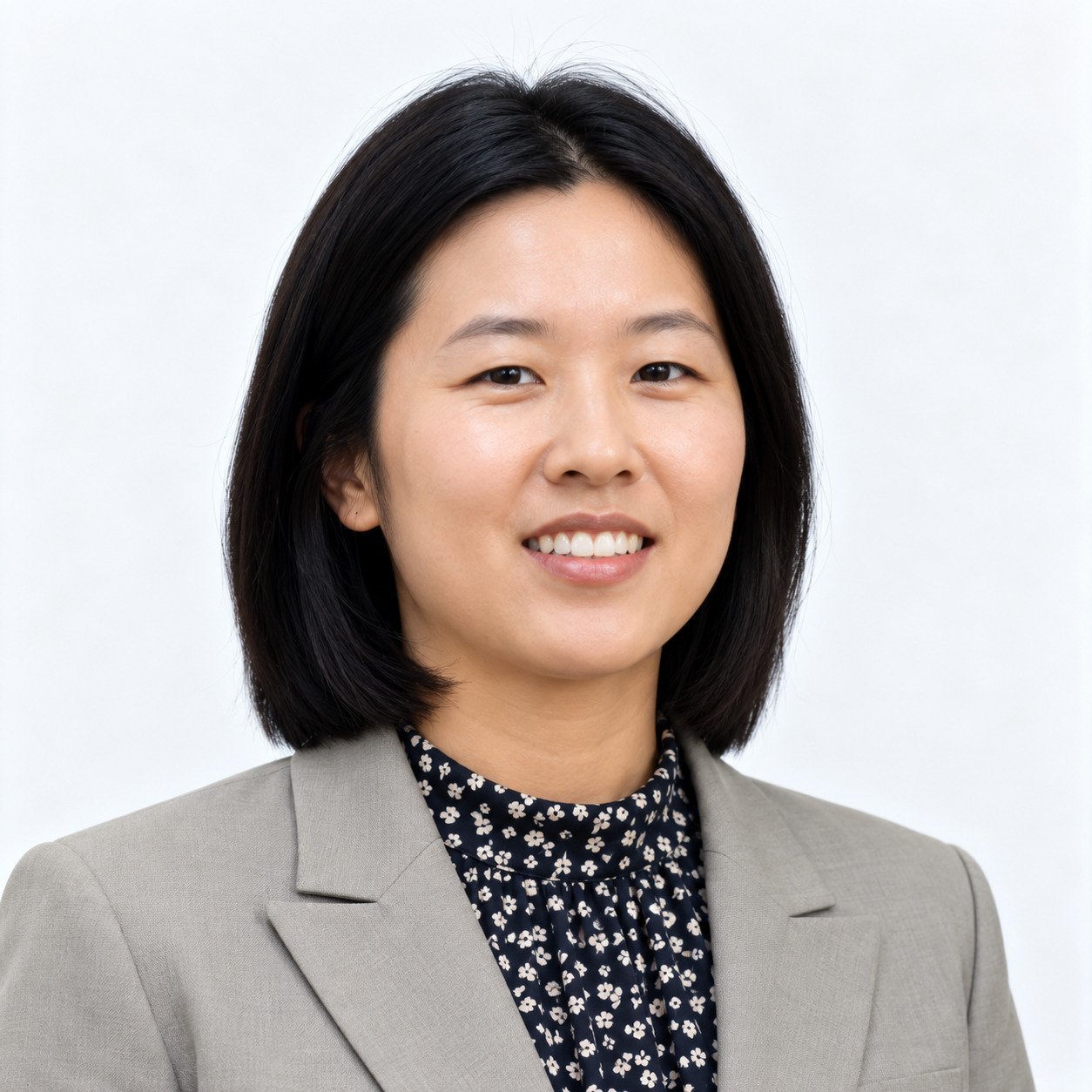
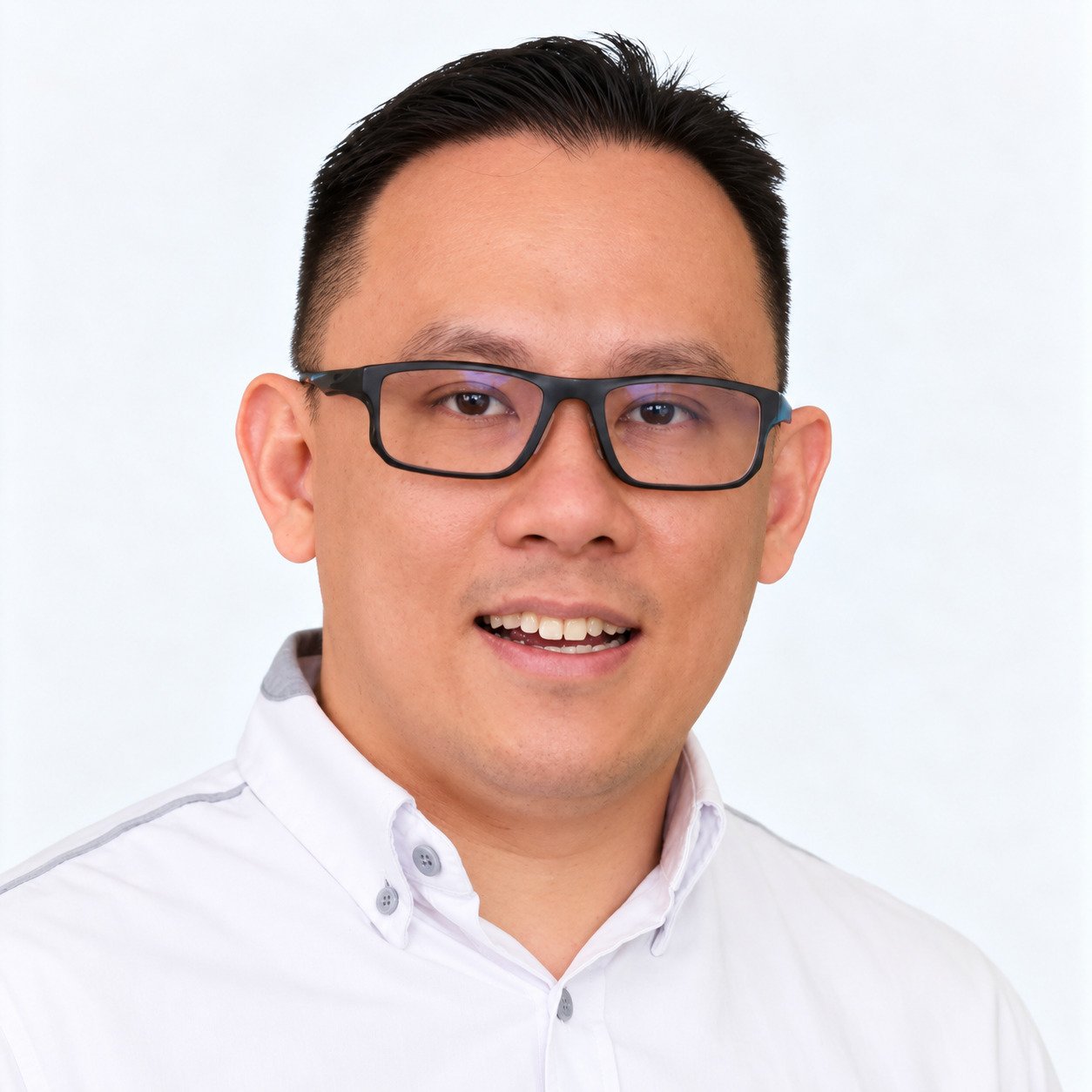
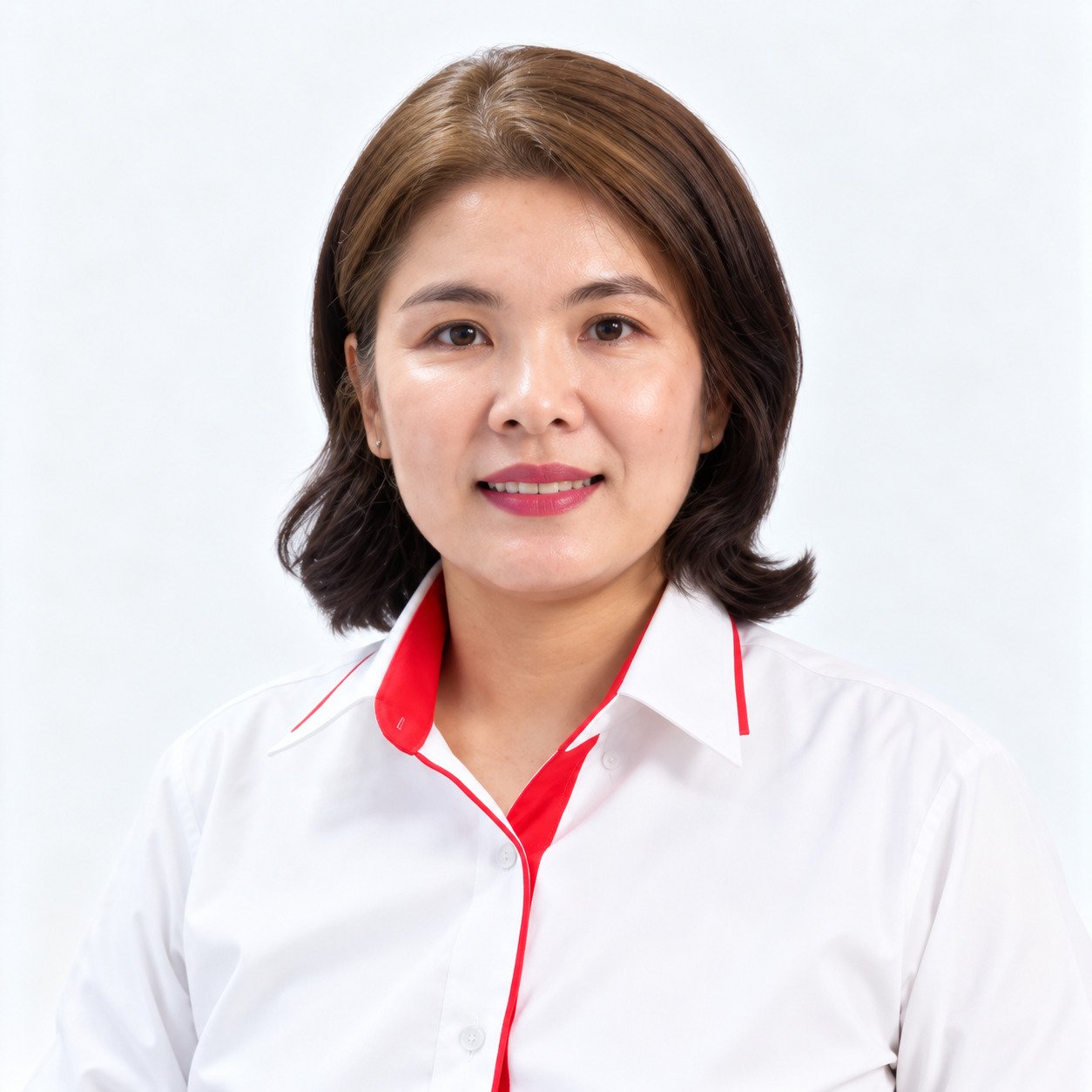
Jasmine B.-Y. Sim, PhD
Associate Professor, National Institute of Education, Nanyang Technological University Singapore
Biodata
Jasmine B.-Y. Sim, PhD, is an internationally recognised scholar whose work has contributed to advancing scholarship in citizenship education, curriculum studies and values education. She is Associate Professor and Head of the Policy, Curriculum and Leadership Department at the National Institute of Education, Nanyang Technological University, Singapore. Her research examines how education shapes civic identity, judgement and agency, with particular attention to Singapore and Asia. Her current work focuses on values education in the age of AI, digital and reflexive citizenship, and the role of educators as citizen leaders.
Abstract
The Ethics of Listening: Reimagining Values Education in the Age of AI
In an age of AI, young people have more ways to communicate than ever before, yet the human capacities for sustained attention, understanding and living with difference are increasingly under strain. This address argues that values education must attend not only to what values young people should hold, but also to the moral practices through which values are formed. Central among these is an ethic of listening. To speak of an ethic of listening is to move beyond listening as a communication skill: it is a moral orientation towards others, grounded in attention, humility, recognition and the willingness to understand before judging. Values are not simply taught; they are formed through encounter and relationship. Drawing theory into practice, the address explores how classrooms can cultivate listening through attentive presence, reflective paraphrasing and engagement across disagreement. Its central proposition is simple: the more capable machines become at speaking, the more important it becomes that humans learn to listen.
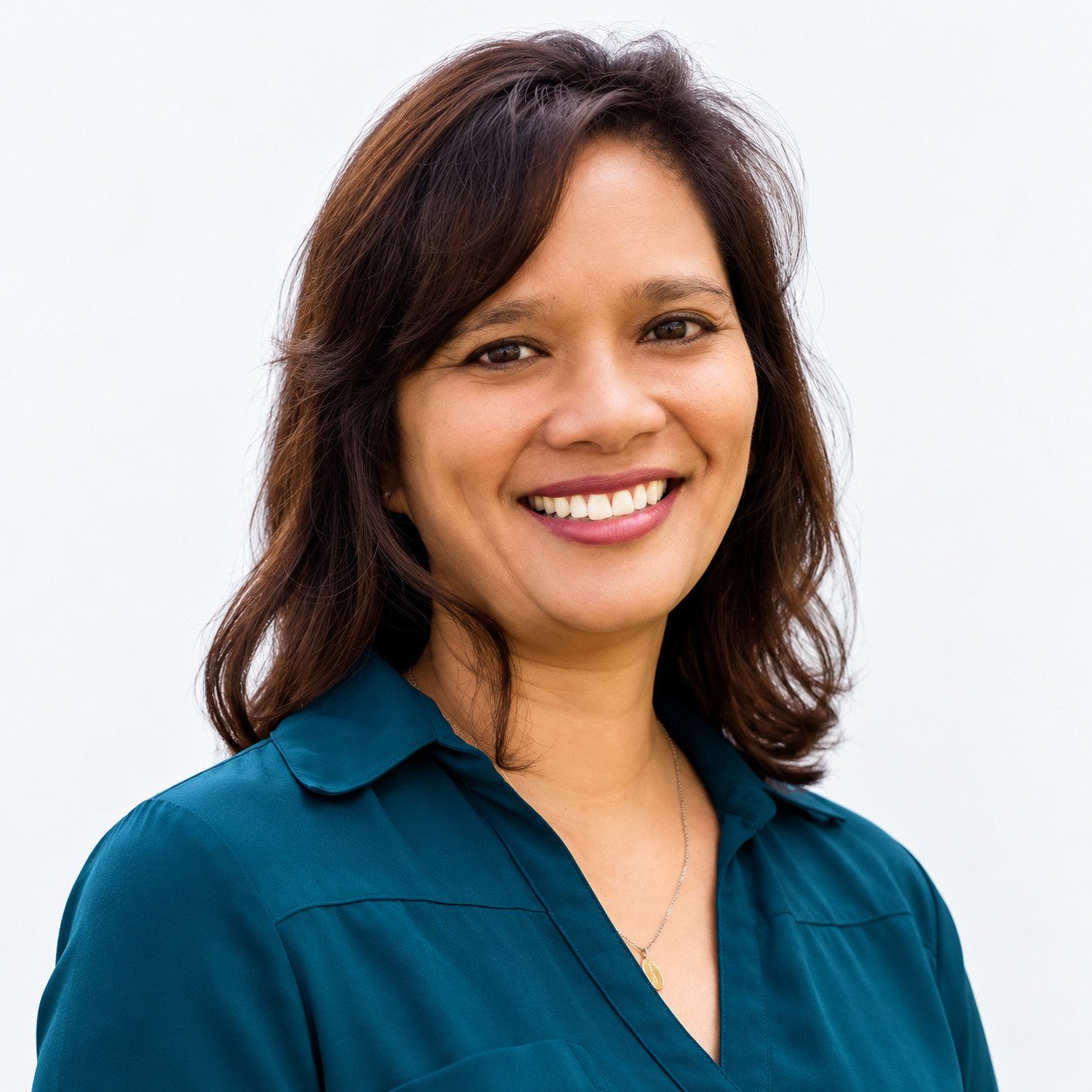
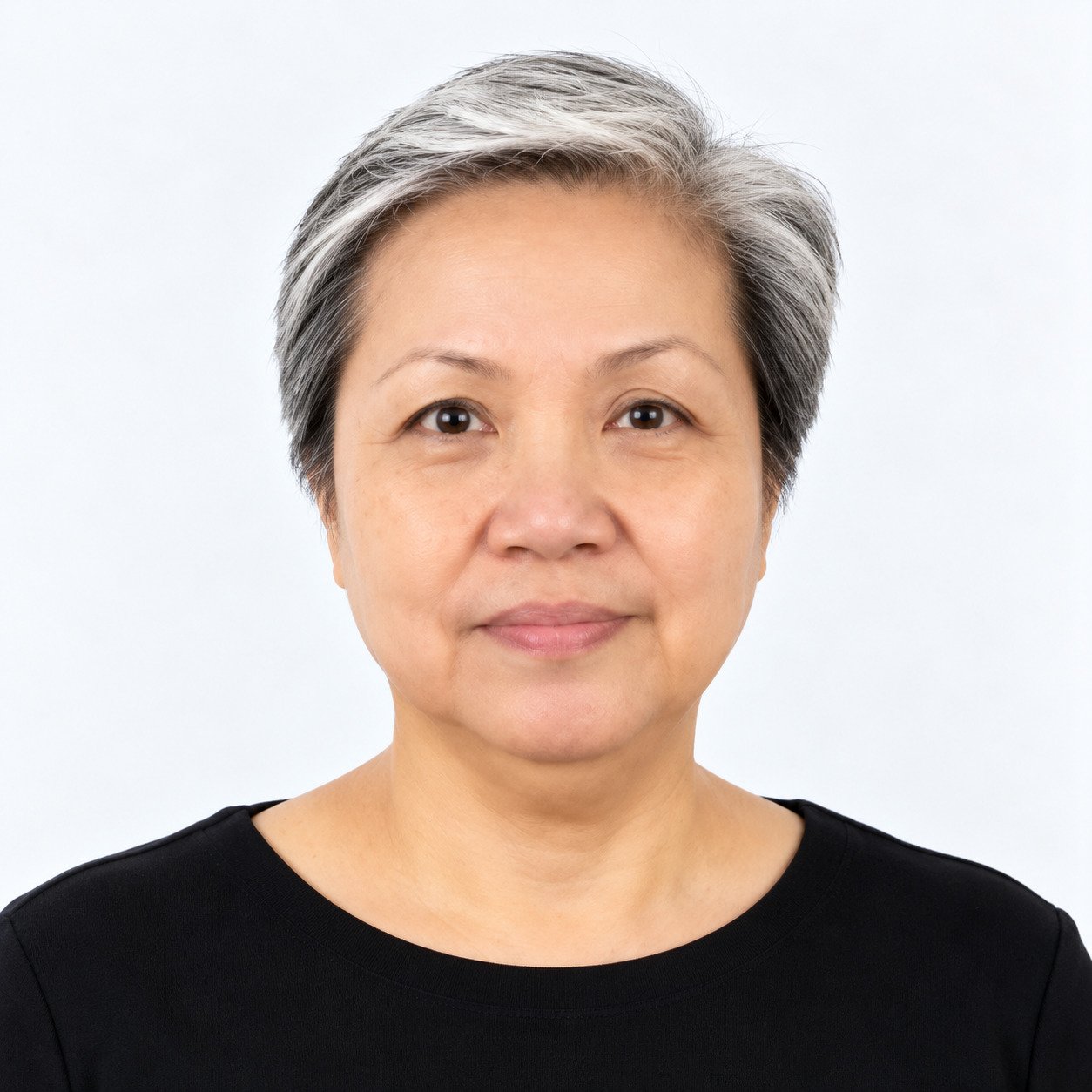
Patricia E. Halagao, PhD
Professor, Dept. of Curriculum Studies and Co-Director, Center for Philippine Studies, University of Hawai‘i at Mānoa
Biodata
Dr. Patricia Espiritu Halagao is a professor in Curriculum Studies and co-director of the Center for Philippine Studies at the University of Hawaii at Manoa. She advances Filipino K–12 education through research, policy, and community partnerships, co-developing programs like Pinoy Teach, Smithsonian’s Filipino American Story, Sistan Alhambra Filipino American Education Institute, and iJeepney. She co-edits the University of Hawaii Press Filipino American National Historical Society (FANHS) Journal. Her honors include the University of Hawaii Board of Regents Medal for Excellence in Teaching and the Global 100 Most Influential Filipina Women award. Appointed to the Hawaii State Board of Education, she led cultural and linguistic policies like the Seal of Biliteracy and advises the Filipino Curriculum Project, which launched the nation’s first statewide Filipino social studies course in Hawaiʻi schools. https://filameducation.com/
Abstract
Navigating Moananuiākea: A Curricular Sail Plan That Connects Us
With unprecedented access to technology and AI, young people are increasingly disconnected from their places, cultures, oceans, and communities that shape who they are. How can education help youth reconnect with place and recognize our kuleana (shared responsibility) to care for one another and our planet? This presentation invites educators across the Asia-Pacific to set sail on an educational journey inspired by the Moananuiākea voyage—a 43,000-nautical-mile circumnavigation of Asia-Pacific aboard traditional Polynesian voyaging canoes Hōkūleʻa and Hikianalia. Moananuiākea, “the great expansive ocean,” reflects the ancestral oceanic homeland of Asia Pacific peoples and reminds us that oceans do not divide us; they connect us. Using the Philippines as a case study, this presentation explores how to reimagine and design curriculum around the voyage’s four objectives: (1) Voyaging Tradition—perpetuating voyaging heritage and knowledge; (2) Global Navigators—engaging youth as planetary navigators and changemakers; (3) Waʻa Honua—bringing educators and youth aboard the “Canoe for the Earth” through place-based learning; and (4) Our Ocean, Our home—building collective responsibility for healthy oceans and a sustainable planet. Examples include Indigenous Filipino navigation traditions, the Balangay boat movement, youth-led mapping through the Philippine Youth Atlas, cultural and climate learning exchanges, storytelling and photography, and partnerships addressing marine science and plastic pollution. The presentation proposes a curricular sail plan connecting Indigenous knowledge, STEM, culture, storytelling, and environmental stewardship. By learning with the ocean and reclaiming ancestral knowledge, educators can help cultivate youth as navigators prepared to chart a more connected and sustainable future.
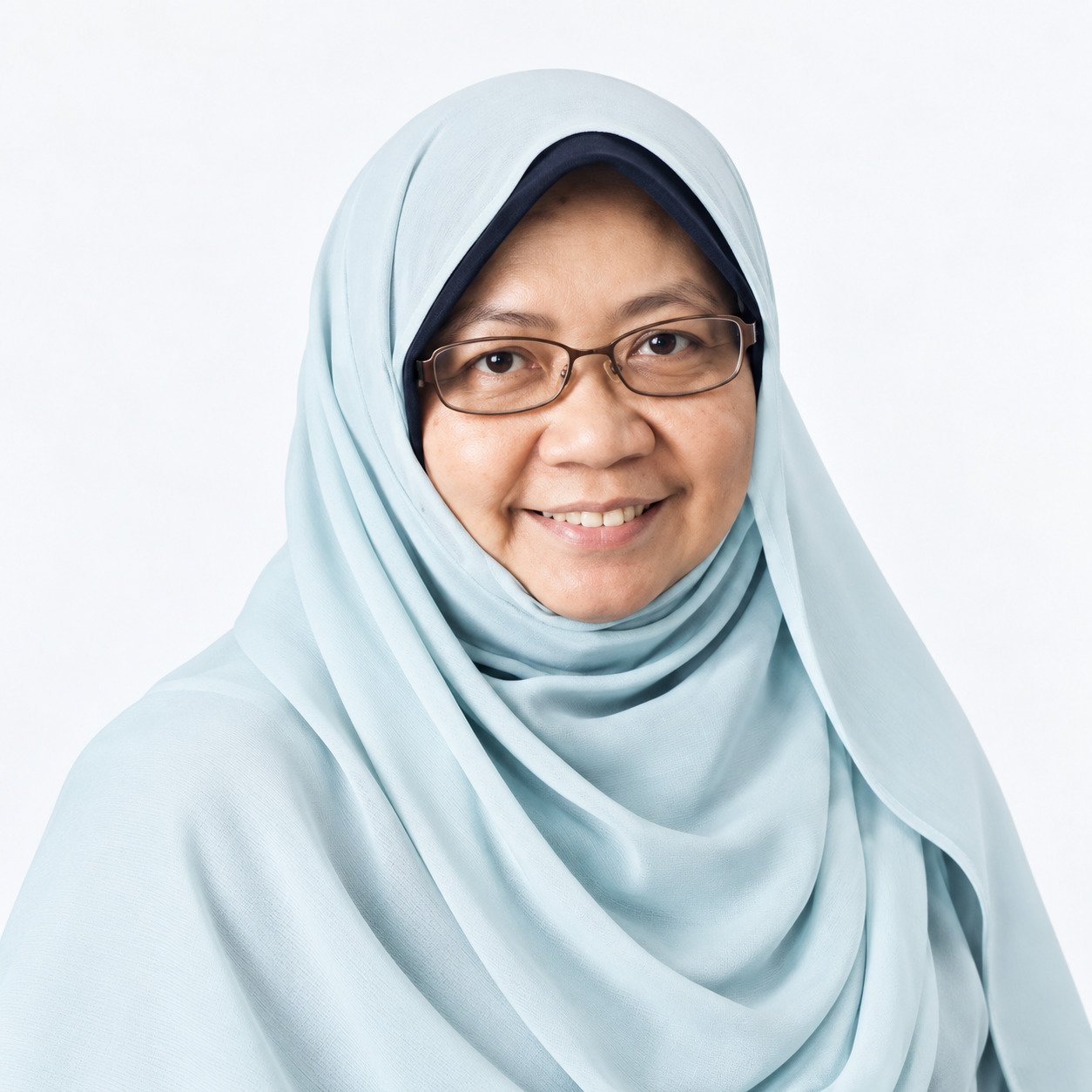
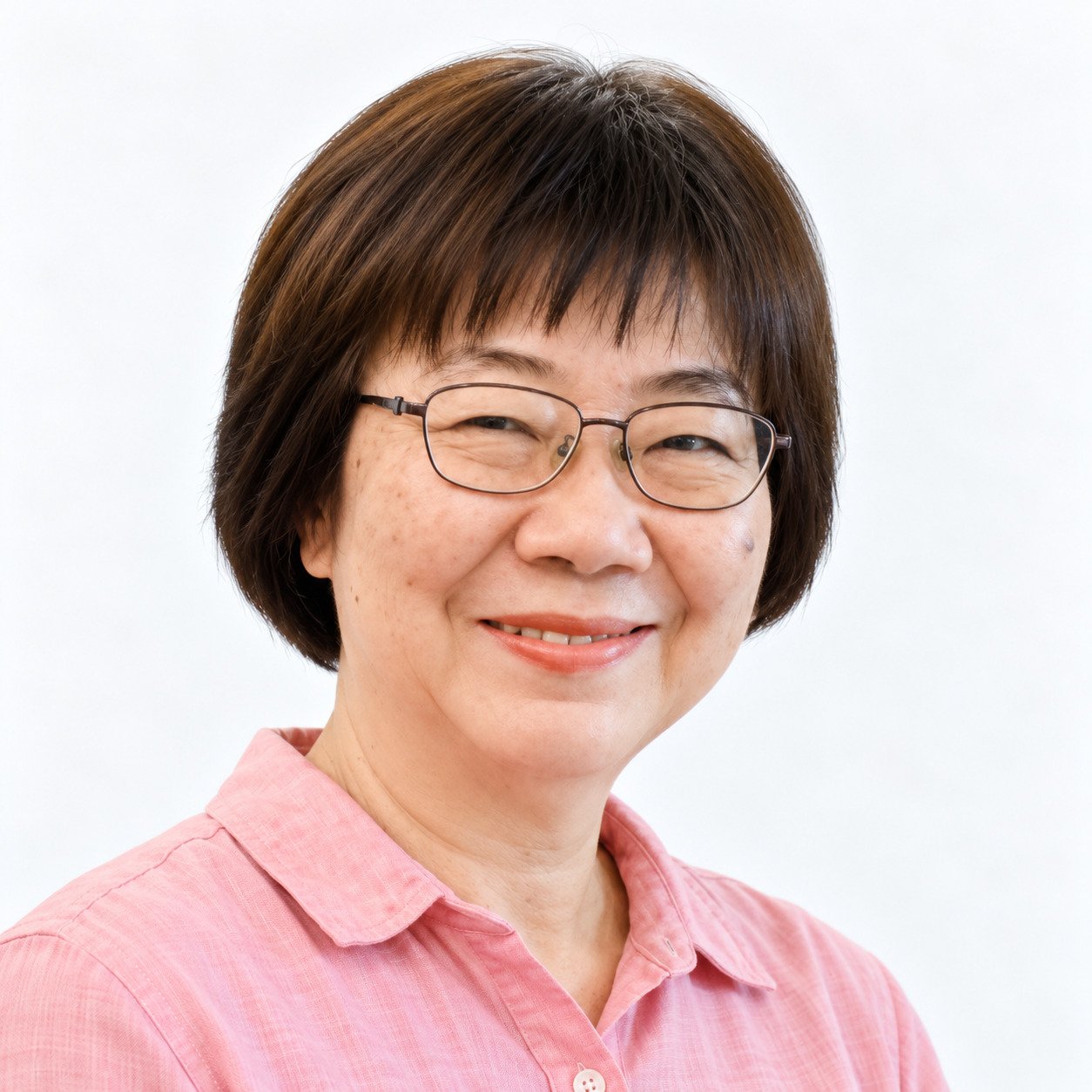
Sallimah Salleh, PhD
Associate Professor, Sultan Hassanal Bolkiah Institute of Education (SHBIE), University of Brunei Darussalam
Biodata
Dr. Sallimah M. Salleh is an Associate Professor at the Sultan Hassanal Bolkiah Institute of Education, Universiti Brunei Darussalam (UBD). She earned her PhD in Education from the University of Southern Queensland, Australia, in 2005, following a Master of Education in Science Education (1999) and a Bachelor of Science in Education (1997) from UBD. Her academic career has been marked by significant leadership appointments. At UBD, she has served as Deputy Dean of Research at the Sultan Hassanal Bolkiah Institute of Education (2015–2018), Director of Studies in the Office of the Assistant Vice Chancellor (Academic) (2014–2015), and Dean of Students in the Student Affairs Section (2014–2015). Extending her contributions beyond the university, she held the position of Director of Planning, Development and Research at the Ministry of Education (2023–2025). Dr. Sallimah’s research program lies at the intersection of educational technology and science education, with a focus on technology integration, teachers’ and students’ beliefs and intentions, and student learning in science. She has directed major funded initiatives, including the Brunei Research Council Grant (2016–2019), which advanced knowledge on adaptive learning portfolios and predictive analytics in education. In addition, she has engaged in research collaboration on STEAM education with various universities across the region, strengthening cross-institutional partnerships and broadening the impact of her work. Her commitment to postgraduate mentorship is evident in her supervision of research on Technological Pedagogical Content Knowledge (TPACK), educational technology, and applications of the Theory of Planned Behavior in teaching and learning. She also contributes to the scholarly community as an examiner for doctoral and master’s theses, reinforcing academic rigor and advancing educational research. Through her sustained contributions to research, teaching, and academic governance, Dr. Hajah Sallimah Haji Mohd Salleh has established herself as a leading figure in Brunei’s educational landscape. Her work continues to shape discourse on technology-enhanced learning, foster innovation in STEAM education, and promote excellence in both national and international contexts.
Abstract
Shaping Education at the Intersection of Innovation and Integrity: Embedding Gen-AI literacy in Teacher Education
The rapid uptake of generative artificial intelligence (GenAI) has created an urgent challenge for teacher education: teachers are using AI before many have developed the confidence, ethical understanding, and pedagogical judgement required for responsible practice. This paper examines the intersection of innovation and integrity through survey evidence from 1,433 experienced public-school teachers in Brunei Darussalam. Although 97.3% had used GenAI and 83.1% used it to create learning materials, only 7.8% felt very confident using AI in teaching. Gen AI Use remained concentrated in preparation, with 32.0% applying GenAI to student feedback. Significant knowledge and support gaps were also evident: 90.7% had received no intellectual property training related to AI, 45.6% did not know who owned AI-generated content, and only 17.4% reported that their schools provided needed AI subscriptions. These findings indicate that adoption has advanced faster than professional learning and institutional guidance. In response, this paper proposes a four-dimensional framework for GenAI literacy in teacher education: functional literacy, critical literacy, ethical literacy, and pedagogical literacy, centred on professional judgement and character. The framework should be embedded across subject pedagogy, assessment, and practicum rather than confined to standalone technology training. Four strategic pathways are recommended: integrating GenAI literacy across curricula, reforming assessment and practicum, moving professional learning beyond tool use, and strengthening institutional support. Aligned with Wawasan Brunei 2035, the plenary argues that GenAI literacy must enable teachers to use innovation competently while safeguarding intellectual honesty, equity, human relationships, and responsibility for learners. It positions teachers as accountable decision makers in AI-rich education.
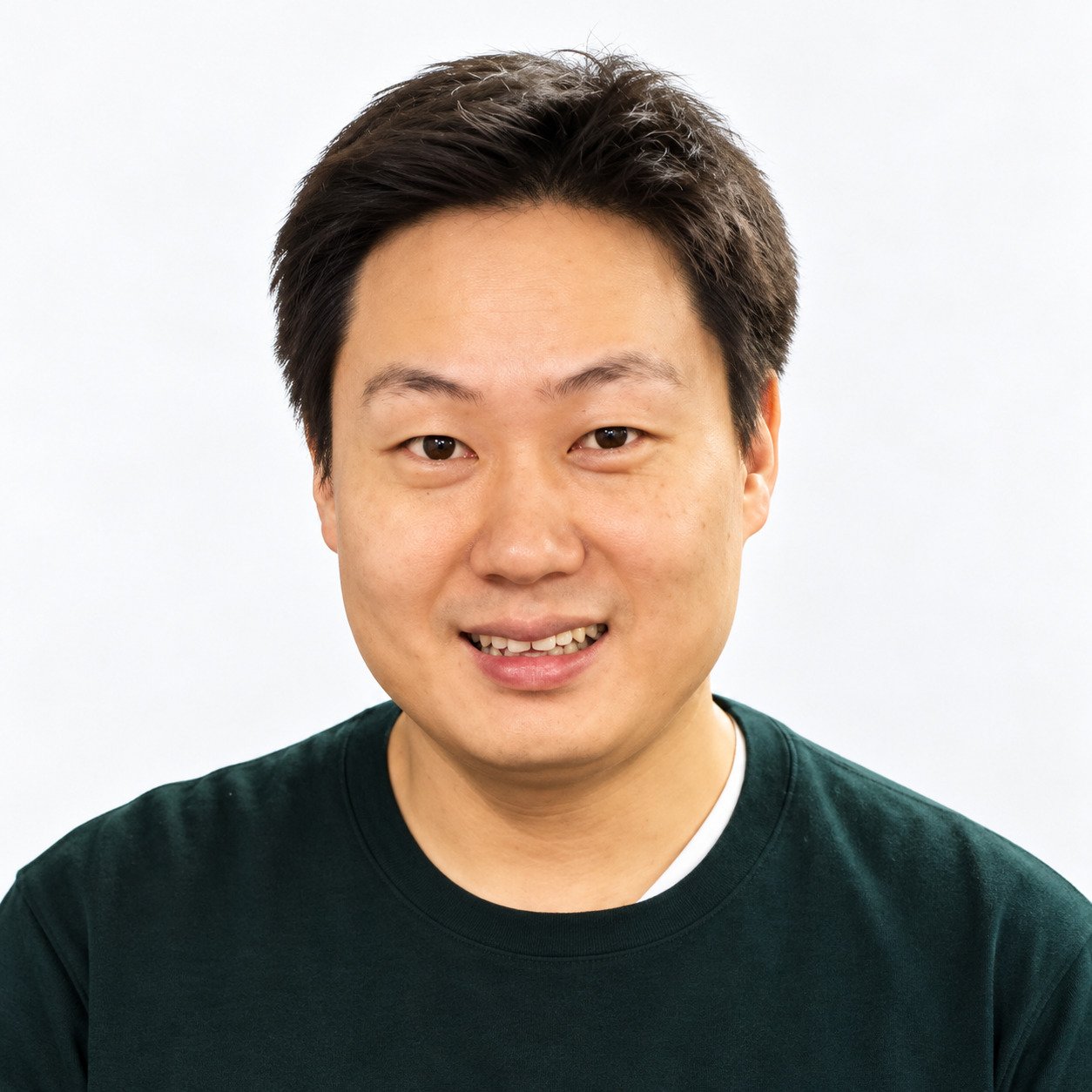
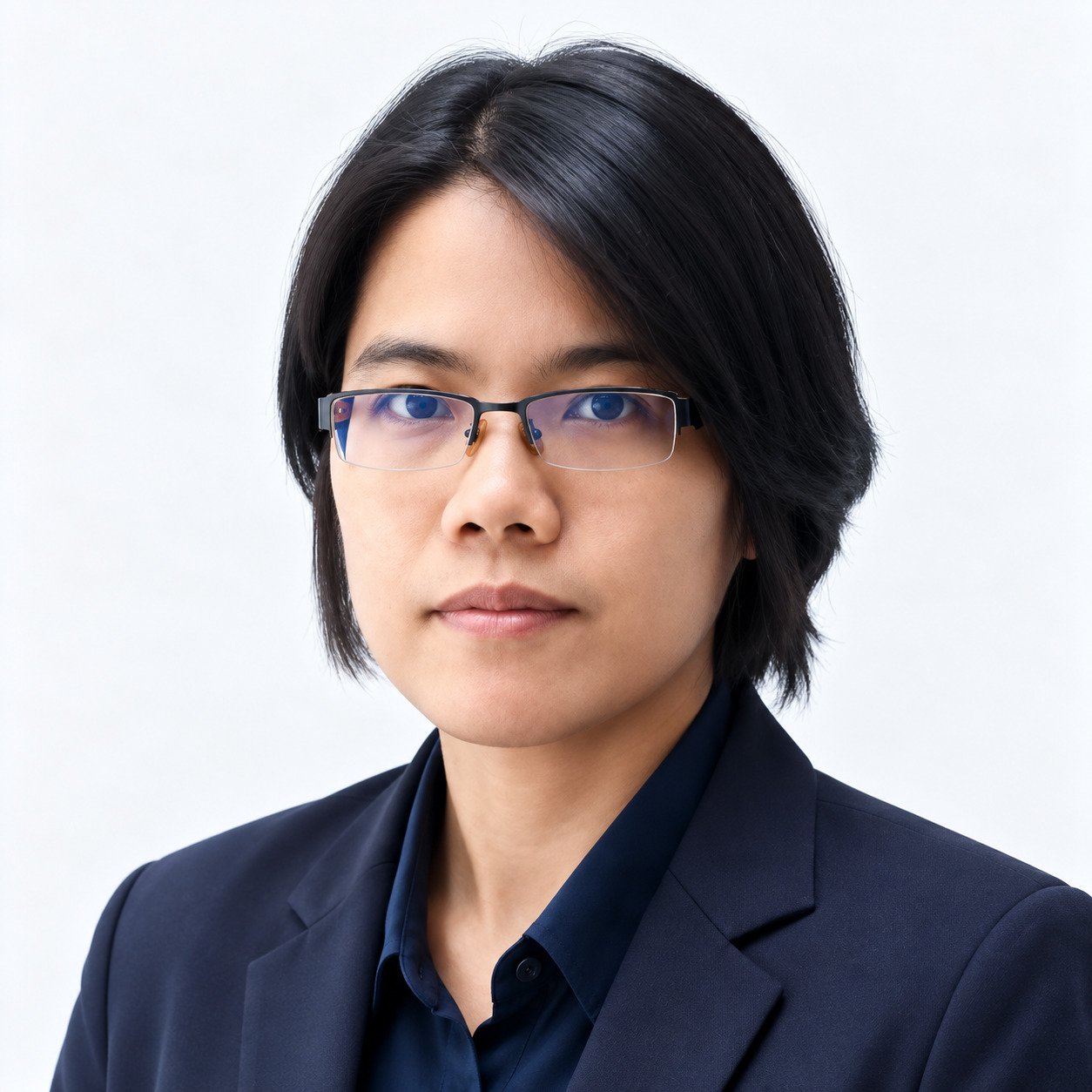
Allen J. Kim, PhD
Senior Associate Professor, International Christian University, Japan
Biodata
Allen J. Kim is a Senior Associate Professor of Sociology at International Christian University (ICU) in Tokyo, Japan. Holding a PhD from the University of California, Irvine, his research explores the intersection of migration, transnational families and fatherhood, and the evolving economic realities of Generation Z. With a professional background rooted in Silicon Valley, he brings a unique entrepreneurial lens to the liberal arts, focusing on how technology and global mobility redefine traditional educational value. He has published on ageing and transnational families, migrant fatherhood, and reimagining higher education. He has led short term exchange initiatives in South East Asia, Japan, and designed faculty-led design thinking and curriculum innovation practices. His current interests include reimagining education as a platform for value creation and emotional resilience, equipping students with the agency required to navigate a rapidly transforming, globalized world.
Abstract
From Human Capital to Human Value: Reimagining Curriculum in the Age of AI
Artificial intelligence is rapidly changing the relationship between education, work, and economic value. As firms use AI to improve productivity, reduce costs, and reorganize knowledge work, longstanding assumptions about the connection between education, employment, and social mobility are being unsettled. These changes raise a broader question for curriculum studies: should education continue to orient itself primarily around human capital, employability, and productivity, or should it more explicitly cultivate broader forms of human value? This presentation argues for a shift from a predominantly human-capital model of education toward a broader framework of human value creation. While AI may generate substantial benefits in scientific research, medicine, education, and innovation, market systems do not automatically reward all forms of human contribution equally. Caregiving, community-building, creativity, social trust, relational work, and the development of purpose and belonging may be socially indispensable even when weakly recognized economically. Drawing on curriculum studies, sociology of education, and emerging research on AI and work, the paper proposes that future-oriented education should cultivate agency, leadership, human connection, and the capacity to create value across multiple domains. Students should be prepared not only to perform tasks or adapt to labor-market change, but also to identify unmet needs, initiate action, mobilize others, and build new forms of social, cultural, relational, and economic value. For the Asia-Pacific region, where technological acceleration intersects with demographic change, shifting family formations, labor-market uncertainty, and changing forms of community, reimagining curriculum requires moving beyond the question of what skills students need for future jobs toward a more fundamental question: what kinds of people, relationships, institutions, and forms of value should education help make possible?
Amelia C Fajardo, PhD
Professor, Curriculum Studies, College of Education, University of the Philippines
Biodata
Prof. Dr. Amelia C. Fajardo is currently a Professor at the College of Education in the University of the Philippines (UP) in Diliman, handling Curriculum Studies. She graduated with a B.S. degree in Biology from UP in 1981, then took up a certificate in science Teaching from UP College of Education, as DOST (formerly NSDB) scholar. After which she taught at UP integrated School for four years. In 1987, she moved to UP Institute of of Science and Mathematics Education Development (ISMED) now known as NISMED, under which she conducted lectures and trainings for elementary school science teachers in the Philippines, as well as for foreign delegates and wrote books and developed instructional materials. She joined UP College of Education in 2000. She earned her Master of Education in Biology Education in 1991 from UP College of Education where she was the recipient of Academic Excellence Award; then pursued her Ph.D. in Education, major in Curriculum and Instruction from Hiroshima University Faculty of Education, Japan, where she graduated in 1998, with the World Council in Curriculum and Instruction (WCCI) President’s Award for Outstanding Research.
Her research adventure continued with a postdoctoral fellowship granted by Monbokagakushoo in 2005. In 2009, she was granted the research fellowship by Erasmus Mundus Mobility of Asia (EMMA) and did research on Gypsy Education. She was awarded twice (in 2015 and 2019) the Fulbright Fellowship Grant for Senior Researcher for Curriculum Development and Evaluation in Selected Military Education and Training Institutions. She has presented papers locally as well as internationally, and has been invited as lecturer and/or research person on curriculum development and evaluation by different schools and institutions. She has also published articles and papers in local and international journals. She has chaired the University Council on Instruction in 2006 to 2008, and is part of the UP College of Education Curriculum Committee since 2004, and is the chair from 2017-2019. She is a lifetime member of the Philippine Association for the Advancement of Science and Biology Teacher Association; a past president of the Association of former Japan Ministry of Education Scholars (PHILAJAMES) and the Pacific Early Childhood Education Research Association; the Founding Vice President of the Pacific Early Childhood Education Research Association (PECERA Philippine Chapter) and founder of the Asia Pacific Research Association of Curriculum Studies and one of the founders of the Curriculum Studies Association of the Philippines.
Abstract
Development of Competency-Based Training Programs for a University The ADDIE Design Phase
This presentation is about the processes and outputs of the Design Phase of the ADDIE curriculum development model for a Human Resource Development Office (HRDO) Training Program. Building on the results of the Learning Needs Analysis, the design phase systematically translated identified competency requirements and desired employee characteristics into coherent, competency-based training programs. The process involved five major steps: determining the characteristics of the ideal employee; formulating program outcomes; establishing terminal outcomes for core, organizational, and leadership competency clusters; conducting task analysis of sub-competencies; and developing and validating course syllabi. The design phase resulted in three major training programs—Core, Organizational, and Leadership— with four courses corresponding to proficiency levels and comprising modules and lessons. Task analysis served as a critical bridge between broad competency statements and specific instructional objectives, ensuring that learning outcomes were observable, measurable, and relevant to actual work responsibilities. Curriculum mapping was likewise undertaken to establish alignment among program outcomes, terminal outcomes, competencies, and instructional objectives. The syllabi were developed using constructive alignment, integrating appropriate content, learning activities, and assessment methods guided by principles of constructivism and adult learning. Validation by employees from diverse organizational units resulted in revisions addressing the clarity and measurability of objectives, time allocation, instructional elements, sequencing, and technical consistency. Overall, the Design Phase produced validated and aligned training designs intended to address competency gaps and support the development of employees who embody the desired characteristics and competencies of the organization
Ng Soo Boon, PhD
Senior Lecturer, SEGi University, Malaysia
Biodata
Datin Dr. Ng Soo Boon holds a PhD in Education, specialising in curriculum development, science education, and early childhood care and education. Her extensive curriculum-development experience spans all levels of education, from early childhood to postgraduate studies. She has devoted 27 years of her career to the Curriculum Development Division (CDD) of Malaysia’s Ministry of Education. During this time, she led multidisciplinary teams in developing, implementing, and evaluating the national school curriculum. At different points of her career, she has headed the Early Childhood Care and Education Sector, Science, Mathematics and Technology Sector, as well as Policy and STEM Sector. She served as Deputy Director of the CDD during her final five years in public service. She was also involved in the formulation and implementation of the Malaysia Education Blueprint 2013–2025. She is currently a Senior Lecturer in the Faculty of Education, Languages, Psychology and Music at SEGi University. Her teaching portfolio includes chemistry, science, moral education, research methodology, qualitative research, curriculum design, and contemporary issues in curriculum. Nationally and internationally, Dr. Ng has extensive experience in curriculum and learning-material development, professional training, research, and programme management. She has collaborated with organisations such as UNESCO, the International Bureau of Education (IBE), UNICEF, and SEAMEO on projects related to curriculum development, science and STEM education, girls in STEM, hybrid learning, global citizenship education, and early childhood education. She has also served as a curriculum and science education consultant for UNESCO. Her latest appointment is the Chair of the Working Committee for Greening Education for Southeast Asia (GE4SEA). Dr. Ng has published scholarly papers and presented at numerous national and international conferences.
Abstract
Culture and Character Building in this changing time: How to find a balance in a multiracial society
Character building is a process of instilling core ethical values, emotional resilience, and personal discipline in an individual. It can happen intentionally or incidentally. This process shapes an individual’s integrity, empathy, accountability, behavior, and personality, bridging knowledge and moral action to develop well-balanced individuals capable of making principled decisions and contributing constructively to their community. It is not just about developing positive moral values but about embodying values in actions. Malaysia, as a multiracial country, has different school types: vernacular schools (Chinese, Tamil), national schools, religious schools, and residential schools. Each of these schools has its own ethos often characterized by the culture of its community. Do these ethos affect character building? No existing literature discover consistent and enduring differences in students’ honesty, empathy, responsibility, integrity, or self-discipline across these different vernacular schools and types of schools. However, through anecdotal reports and observation, school culture does appear to impact character building. Many real-life examples were examined, it is found that school culture is not ethnic culture specific, it is influenced by the school community and leadership. Communitiy’s cultural beliefs and behaviour shape moral priorities. Societies may understand good character through individual rights, duties to others, spiritual commitments, or combinations of these. Culture also shapes the meaning of the self. Understanding oneself as autonomous or closely connected to God or others offers different foundations for interpreting responsibility and appropriate conduct. Culture also provides resources for character education. Cultural stories and traditions can support teaching about virtues, while reflection and practical moral action helps connect these ideas to classroom life. Culture shapes character building through both formal values education and everyday institutional practices. Within a shared national framework for values education, how schools resolve problems, exercise authority, manage relationships, and engage families and communities shapes students’ character. In cultivating students’ good character, there is a need to consider the beliefs and cultural practices of students and teachers, including those of the majority and minority groups. Character building therefore requires attention to the values schools enact in daily life, as well as those they explicitly teach. Jensen’s cultural–developmental approach provides a useful theoretical foundation because it explains how moral understanding develops within cultural contexts. Bronfenbrenner’s ecological theory helps us to understand how family, communities and society impact the process of character building.
Natthira Tuptim, PhD
Associate Professor, Faculty of Humanities and Social Sciences, Pibulsongkram Rajabhat University, Thailand
Biodata
Dr. Natthira Tuptim is the Dean of the Faculty of Humanities and Social Sciences and a full-time lecturer in the Japanese Program at Pibulsongkram Rajabhat University (PSRU), Thailand. She earned her Ph.D. in Languages and Societies from Osaka University under the Japanese Government (MEXT) Scholarship, following her M.A. and research studies in Japan. Her academic and professional work focuses on curriculum development, Japanese language education, work-integrated learning (WIL), intercultural communication, and quality assurance in higher education. She has extensive experience in curriculum and educational quality assessment, including certification as an AUN-QA assessor and participation in Thailand Qualification Framework (TQF) training. She currently serves on the Academic Councils of PSRU, and as a curriculum quality assessment committee member for numerous academic programs across various higher education institutions in Thailand. She has been invited as a plenary and session speaker at several international conferences and academic seminars in the Asia-Pacific region, presenting curriculum studies, internships and employability, multilingualism, and learning outcomes assessment. Her current interests include competency-based curriculum, international internship education, and human development in rapidly changing educational contexts.
Abstract
Human-Centered AI in Educational Assessment: Integrating Human Judgment, Theory, and Linguistic Analytics
The rapid growth of Artificial Intelligence (AI) has transformed educational assessment through automated scoring, learning analytics, and personalized feedback. However, concerns remain regarding the transparency, fairness, validity, and interpretability of AI-generated outcomes. This paper proposes a "human-centered AI framework" that positions educators as the primary decision-makers, leveraging AI as a supportive tool rather than a replacement for human judgment. The framework integrates three key dimensions:
Human Expertise: Provides contextual understanding, ethical reasoning, and professional interpretation of learner performance.
Assessment Theory: Ensures validity, reliability, and fairness in assessment design.
Linguistic Analytics: Uses natural language processing and corpus linguistics to systematically analyze learners' language and learning patterns, offering objective evidence to complement human evaluation.
By combining these elements, the framework promotes transparent, explainable, and meaningful assessment practices. It also demonstrates how AI can reduce teacher workload while preserving professional autonomy and accountability. Rather than focusing solely on automation, this approach emphasizes human–AI collaboration, particularly in assessing linguistic features that are closely related to pragmatic competence. While AI can efficiently identify and analyze observable linguistic patterns, it remains limited in interpreting context-dependent and socially situated features of language use, such as appropriateness, implied meaning, politeness, interpersonal relationships, and the communicative intentions underlying an utterance. These aspects of pragmatic performance often require contextual knowledge, cultural understanding, and human judgment that cannot be fully captured through automated linguistic analysis alone. Therefore, human expertise remains essential for ensuring the validity and meaningful interpretation of pragmatic assessment, while AI and linguistic analytics can serve as complementary tools for providing systematic and evidence-based information.
Ooi Boon Keat, Prof Dr
Professor, Faculty of Social Science and Humanities, Tunku Abdul Rahman University of Management and Technology (TAR UMT)
Biodata
Professor Dr Ooi Boon Keat is a Professor at the Faculty of Social Science and Humanities, Tunku Abdul Rahman University of Management and Technology (TAR UMT), Malaysia. He holds a PhD in Psychology from Universiti Kebangsaan Malaysia (UKM), an MSc in Guidance and Counselling, and a Bachelor of Education in Guidance and Counselling from Universiti Putra Malaysia (UPM). He is also a registered and licensed counsellor with extensive experience in higher education, counselling, psychological assessment, academic leadership, research, and postgraduate supervision. Professor Dr Ooi has held various senior academic positions, including Dean, Deputy Dean (Academic and Research), Deputy Dean (Student Affairs), and Post-Graduate Programme Coordinator. His research expertise encompasses cognitive and developmental psychology, learning difficulties, cognitive processing, counselling, mental health, education, student development, and sustainability. He has more than 100 academic publications, including numerous Scopus-indexed publications, and has supervised 23 postgraduate students, comprising PhD and Master’s students, from Malaysia and overseas. He is actively involved in international research collaborations, academic reviewing, professional consultancy, knowledge-transfer programmes, and higher education development. He has received several awards recognising his contributions to research, academic leadership, counselling innovation, and educational innovation. His innovation and research-related achievements include a Gold Award at ITEX 2020 for the Cogency Learning Module, as well as a Bronze Award at Pencipta 2019 for the same innovation. He also received a Bronze Award at the International Counselling Innovation and Showcase (i-COUNNOVAS 2.0) in 2021 and an International Award of Merit at the Malaysia-Croatia Technology Exchange in the same year. In addition, he received a Silver Award at the Malaysia Technology Expo (MTE) 2021, reflecting his involvement in research innovation and knowledge-based competition. His broader academic leadership contributions have also been recognised through several university recognitions.
Abstract
When Human and Artificial Intelligence Collide in Modern Education
Generative Artificial Intelligence (GenAI) began gaining widespread attention in late 2022, and its growing popularity is closely linked to its practical usefulness. People from various backgrounds and levels now utilise GenAI for a wide range of purposes. In less than a decade, it has had a substantial influence across many sectors, particularly in education. One major concern regarding the use of GenAI in educational contexts is its potential influence on the learning process, especially among university students. University students are expected to develop creativity, innovation, and critical thinking skills in addition to acquiring professional qualifications. However, the emergence and easy accessibility of GenAI tools during students’ learning journeys have raised considerable doubts and concerns about their impact on these essential skills. This paper provides an overview of the influence of generative artificial intelligence (GenAI) on human intelligence, particularly critical thinking in the context of higher education. It aims to align with the educational purpose and the potential adverse effects of GenAI. The paper begins by defining human intelligence and tracing its measurement methods over the past decades since its inception. It depicts a picture of the development of AI, especially GenAI, and its influence on education. A review of the literature was carried out to find out how GenAI has affected university students' human thought processes. Studies have demonstrated that GenAI has both beneficial and detrimental effects on critical thinking. Some believe that GenAI is associated with less critical thinking engagement and reduced cognitive effort. On the other hand, when paired with structured interventions, GenAI can enhance higher-order reasoning, which significantly triggers participants' critical thinking, particularly within educational contexts.
Yao Sun, Ph.D.
Shuimu Scholar Postdoctoral Fellow, Department of Education, Tsinghua University
Biodata
Yao Sun, Ph.D., is a Postdoctoral Researcher at the Department of Education, Tsinghua University. Her research focuses on child development, early childhood education, parenting, and family processes, with particular interests in how family, school, and cultural contexts shape children's social, emotional, and developmental outcomes. Her recent work has expanded to examine the implications of artificial intelligence (AI) for parenting and child development, including the evolving roles of parents and educators in the AI era. She has published in leading developmental and family science journals and is committed to translating developmental research into practical insights for educators, families, and policymakers.
Abstract
Growing Up with AI: Authority, Culture, and Early Childhood Education
Generative AI is rapidly changing how young children access information and engage with learning. In many cultural contexts, particularly across Asia, parents and teachers have traditionally served as central sources of knowledge, guidance, and authority. As AI becomes more present in children’s everyday lives, it may complicate how children understand trust, expertise, and adult authority. This presentation draws on developmental psychology and early childhood education to examine potential risks associated with children’s growing reliance on AI, including weakened critical thinking, reduced creativity, and changing parent–child and teacher–child relationships. It also highlights the need for stronger AI literacy among parents and educators.
Jery Yeoh Hooi Seng
Founder and Executive Director, WhyteHouse Education Group; Founder, WE.PLAY
Biodata
Jery Yeoh Hooi Seng is the Founder and Executive Director of WhyteHouse Education Group and the founder of WE.PLAY, Malaysia's pioneering unstructured play platform. He brings a social-science lens to early childhood education: trained in Sociology and Anthropology at Universiti Sains Malaysia, he approaches curriculum as something lived by children, families and communities, not only written in documents. Jery opened his first preschool in 2009 with three children. Over 17 years, WhyteHouse has grown into three branches, including a kindergarten inside a science centre, two purpose-built unstructured playgrounds offering over 10,000 sq ft of open-ended space, and a 70,000 sq ft preschool campus in Penang designed around play, inquiry and family participation. He leads curriculum design, educator training and community outreach across Malaysia, Indonesia and Thailand, and is a certified John Maxwell coach and speaker. He has served on the MICCI Northern Region Committee and as a director of the Penang Public Library Board. His work rests on one conviction: children flourish when adults trust them to lead their own play. Through WE.PLAY, he has turned that conviction into daily classroom practice and a public play movement in Penang.
Abstract
Allowed, Not Taught: Unstructured Play and Malaysia's New Preschool Curriculum
Malaysia's new preschool curriculum, the first stage of Kurikulum Persekolahan 2027, asks for children who communicate and socialise with confidence, show resilience, solve problems and want to learn. These are dispositions, not content, and they are hard to deliver through instruction alone. This talk argues that unstructured play is not a break from the curriculum but one of the most reliable places where its outcomes appear. Drawing on 17 years at WhyteHouse Education Group and three years of WE.PLAY, where children spend 90 minutes a day in unstructured and outdoor play with loose parts, Jery Yeoh shares classroom video of children assessing risk, building symbolic worlds and organising a lion dance troupe without adult direction. He maps these moments to the curriculum's aims, then names the tensions practitioners face: literacy pressure, earlier Year 1 entry, assessment, and adult readiness to step back.
Dato’ Dr. Goh Hui Chyn
Managing Director, SMM Education Group
Biodata
Dato’ Dr. Goh Hui Chyn is the Managing Director of SMM Education Group, overseeing a network of approximately 1,000 early childhood and learning centres across Malaysia. She holds a Doctor of Business Administration (DBA) from Multimedia University (MMU). With more than two decades of leadership in education management, she has led the Group since 2008, with a focus on organisational management, educational leadership, capability development, and the implementation of educational initiatives at scale. Her work includes involvement in SMM’s Whole Brain Education pedagogy development, curriculum alignment and implementation, and the development of organisational capabilities that support educators across a large learning network. Her doctoral research in entrepreneurship in education, leadership and management has informed her work in organisational and leadership development, including the formation and transformation of SMM’s Nested Edupreneurial Team. She also oversees the Group’s digital transformation and innovation initiatives and supports collaborations with universities to create professional development and qualification pathways for educators.
Abstract
Translating National Curriculum Reform at Scale – A Case from Malaysia
Translating national curriculum reform into everyday classroom practice remains a challenge, particularly across diverse early childhood education settings. While a national curriculum establishes shared goals and expectations, what children experience depends on how curriculum intentions are understood, supported by the organisation, translated into teaching and learning, and adapted by teachers within different classroom contexts. Set within Malaysia’s current early childhood curriculum reform context (KP2026), this conceptual presentation explores how a large preschool service provider is progressively working towards maintaining curriculum coherence while allowing teachers the professional space to respond to children’s learning needs and local contexts. Drawing on perspectives from curriculum implementation, educational change, teacher sensemaking and agency, implementation fidelity and early childhood pedagogy, the presentation is also informed by more than two decades of organisational practice within a large private early childhood education network. It proposes a practice-informed framework connecting aspired curriculum, curriculum translation, organisational enablement, instructional architecture, professional enactment and children’s experienced curriculum.
Chan Soon Seng
CEO, Teach For Malaysia
Biodata
Soon Seng is the CEO of Teach For Malaysia, an independent, not-for-profit organisation with a vision to see a Malaysia where all children have the opportunity to realise their potential through quality education.He joined the inaugural Teach For Malaysia Cohort in 2012, and like many other Fellows and Alumni, the experience had a profound impact on his worldview. As a teacher in a low-income community, he was deeply moved by the challenges his students faced, and how it was the lack of opportunities, rather than the lack of ability, that typically prevented students from realising their potential.He holds a degree in Management and Marketing (Murdoch University) and a Post-Graduate Diploma in Education (Universiti Utara Malaysia). He was the Deputy Chairperson of the National Education Reform Study 2024-2026 under Akademi Sains Malaysia and the Ministry of Economy. In 2021 he was a recipient of the Malaysian Australian Alumni Council's Community Achievement Award and listed on Tatler's Asia's Most Influential list.He envisions a holistic education system that not only develops students' academics, but also their social, emotional, physical, spiritual, and leadership skills, in order to thrive in the 21st century.